

How Robert Eggers Turned Murnau’s Classic into a 21st-Century Fever Dream
Western roots, Tim Burton’s spell, and a London flat piled with occult Blu-rays fuel the Sundance laureate’s long night with Murnau’s vampire.

Robert Eggers is a writer and director. Born in New York City and raised in Lee, New Hampshire, he began his career making experimental and classical theatre in NYC. He then made short films and worked as a designer for film, television, print, theatre and dance. The Witch, his feature film debut as writer and director, won the Directing Award in the US Dramatic category at the 2015 Sundance Film Festival. His second feature, The Lighthouse, premiered during Directors’ Fortnight at Cannes in 2019, winning the FIPRESCI prize, and earned an Academy Award nomination for cinematography. This was followed by The Northman in 2022 and, in December 2024, to critical and popular acclaim, his reimagining of FW Murnau’s classic Nosferatu.
What’s your earliest film memory?
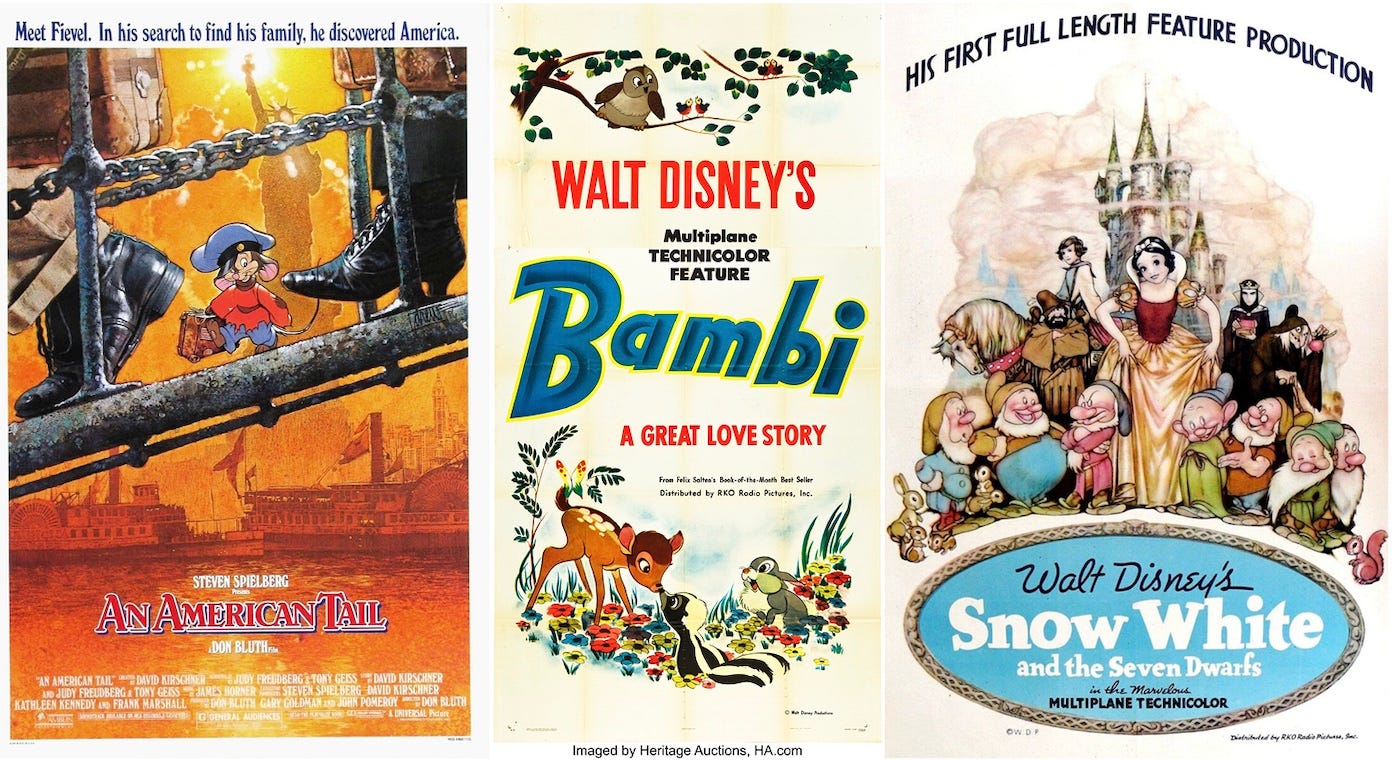
My earliest memories of going to a movie theatre are An American Tail, Snow White and Bambi. Disney’s Snow White and Bambi were re-released when I was very little. I don't remember which one of these films I saw first, but of course my reaction to Bambi was… not positive.
Did your parents influence your taste in cinema?
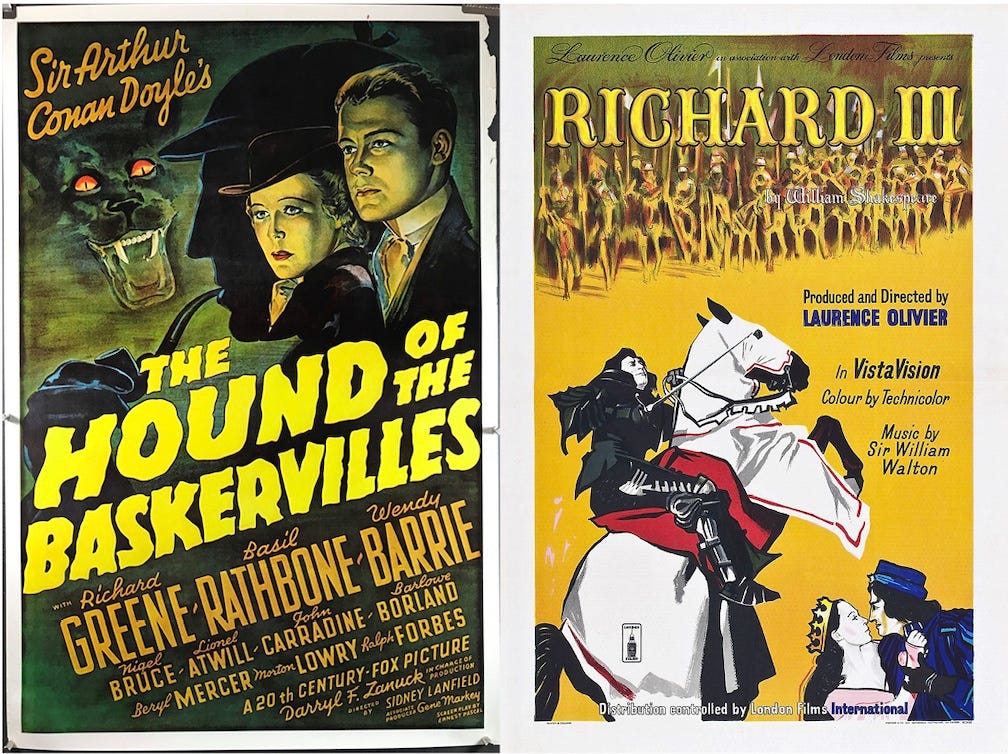
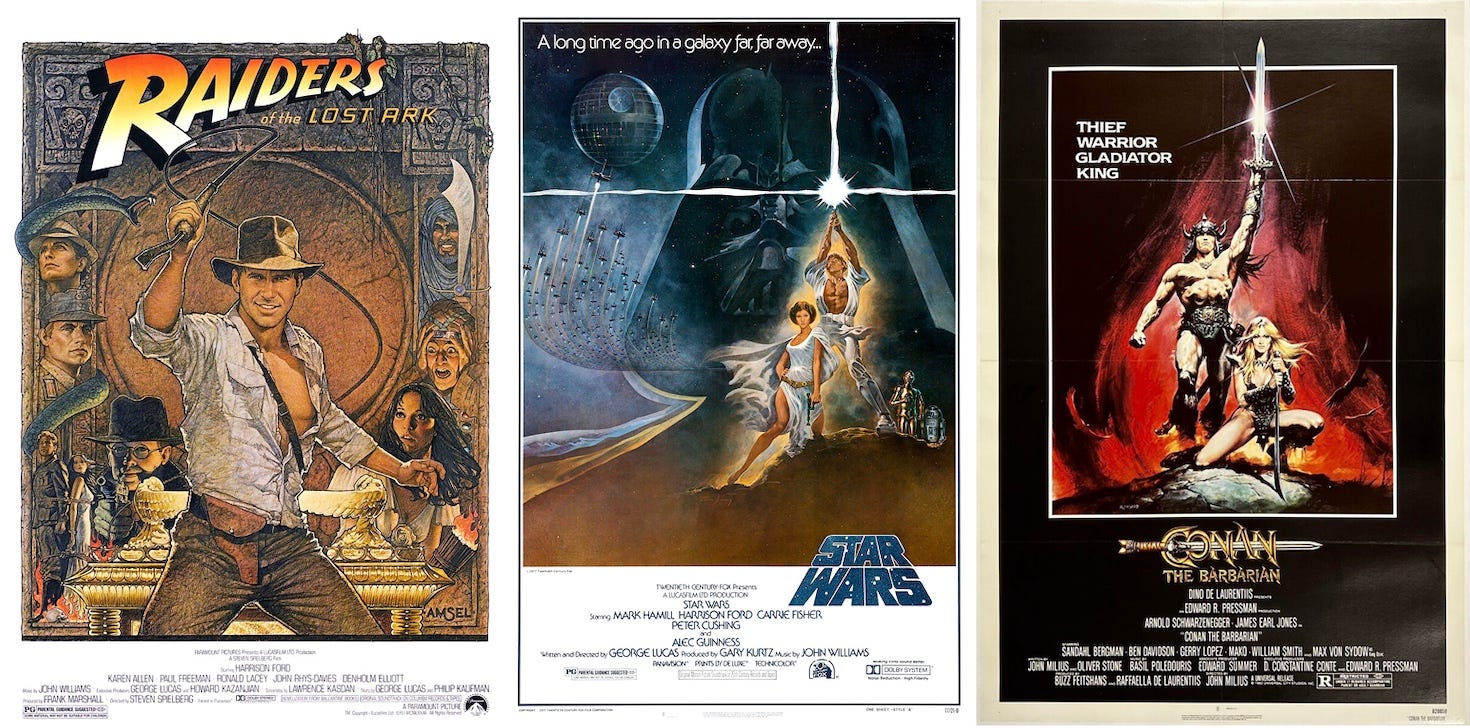
My parents and my grandfather definitely influenced me early on. My grandfather was very fond of westerns. I hope to make one someday. He also introduced me to Indiana Jones and Star Wars, which were of course formative as a child. And he also introduced me to Basil Rathbone’s Sherlock Holmes films, which continue to be a source of inspiration. My dad was a Shakespeare professor and I have an early memory of being very enthralled with Olivier’s Richard III when I was, like, five years old. My mother had a children's theatre company and exposed me to lots of musical theatre which I liked as a kid. Her taste is varied and she also introduced me to Conan the Barbarian, which was a clear influence on The Northman.
You grew up in a small town in New Hampshire. Did you go to the cinema?
We lived 30 minutes from the nearest cinema. The films of Tim Burton were particularly influential to me as a kid. His work showed me that you could do something different. You could be different. And as much as The Witch wears its European arthouse influences on its sleeve, there would be no The Witch without the first act of Tim Burton’s Sleepy Hollow.
Did any other films or actors shape your aesthetic?
David Lynch and Terry Gilliam, among other filmmakers I discovered as a teenager at the local video rental store, were examples of people doing something different. As I grew older, other influences rose to the top. Everyone listed here is perhaps very obvious, but they are the greats: Ingmar Bergman, Carl Dreyer, Stanley Kubrick, Akira Kurosawa, Andrei Tarkovsky – although Tarkovsky’s after something very different than I. A big influence people might not expect is John Cassavettes. But there are many others, and like most filmmakers, I watch a lot of movies and I’m excited by exploring different things at different times and the different films I am making are influenced by particular films, filmmakers, literature, ideas and so on.
What part of the creative process gives you the most pleasure?
I enjoy every part of filmmaking, honestly. Getting a film greenlit is the worst bit. Press is perhaps not my favourite either, but it’s not too bad. But writing is incredible. Writing is where it all comes from, where the possibilities are endless and the idea for the film is this beautiful jewel that has the potential to be perfect. It never will be, but it’s an inspiring feeling in those early stages of writing. Coming from a theatre background, I particularly love production. I’m working with the actors every day and I love working with them. Also because I have the great luxury of making films where I’m creating the worlds, and we’re building all these sets, and I’m in the personal Disneyland of my imagination. I’m literally standing in what I’ve imagined and it is quite incredible and overwhelming. Post-production is wonderful as well. I love being able to fix all the problems you thought were unfixable – it’s incredibly satisfying – and then bringing it home with music and sound.
Do you collect anything or have any film art on your walls?
I’m sure it comes as no surprise that I have a very large Blu-ray and DVD collection that is always growing. My library of books is also always growing. It’s very hard for me to go to a bookstore and not grab something. My only non-work related hobby is cycling. I live in a flat and my office looks like an occult bookshop and a bike shop exploded.
Do you have any cinema-going rituals?
I live in London now, but lived in NYC for nearly 20 years. One thing that I prefer about New York is that it is easy to watch films at 9am. I used to like to get a coffee, go to the movies at 9am and usually be the only person in the movie theater.
What is your favourite movie theatre in the world?
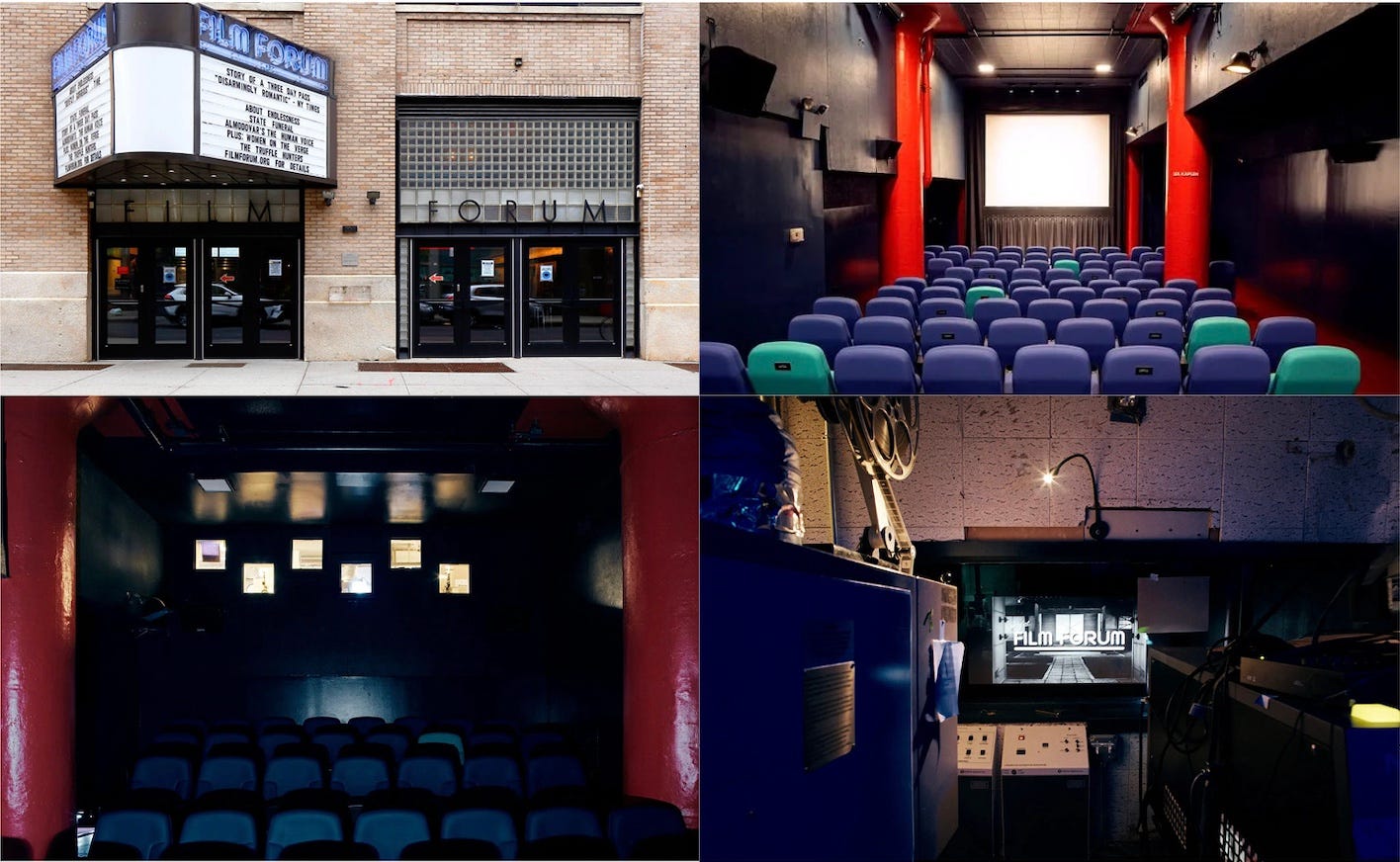
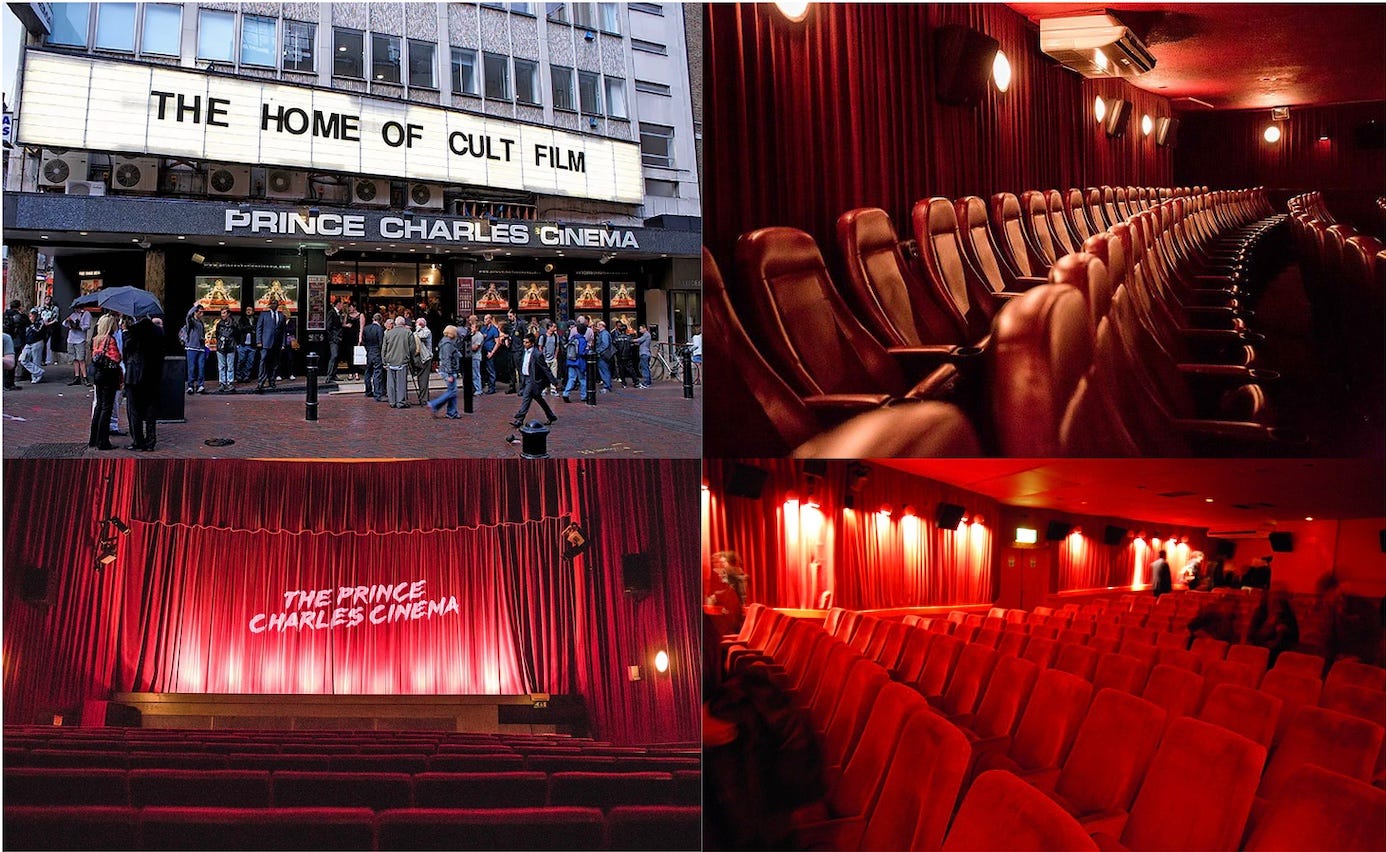
Perhaps the Film Forum in New York. I do love the Prince Charles Cinema in London.
Which film have you watched the most?
Perhaps The Shining. I have watched it, taken it apart, taken notes on every aspect of it, watched it silently, watched it in fast motion. Watched it backwards, to an extent. It’s a masterclass in tension.
What was the last film someone told you to watch?
Rob Cotterill, the first assistant director on The Lighthouse and a producer for Brandon Cronenberg, has never given me a bad film recommendation. The first film he recommended to me was The Viking, directed by George Melford.
What are your top five horror films?
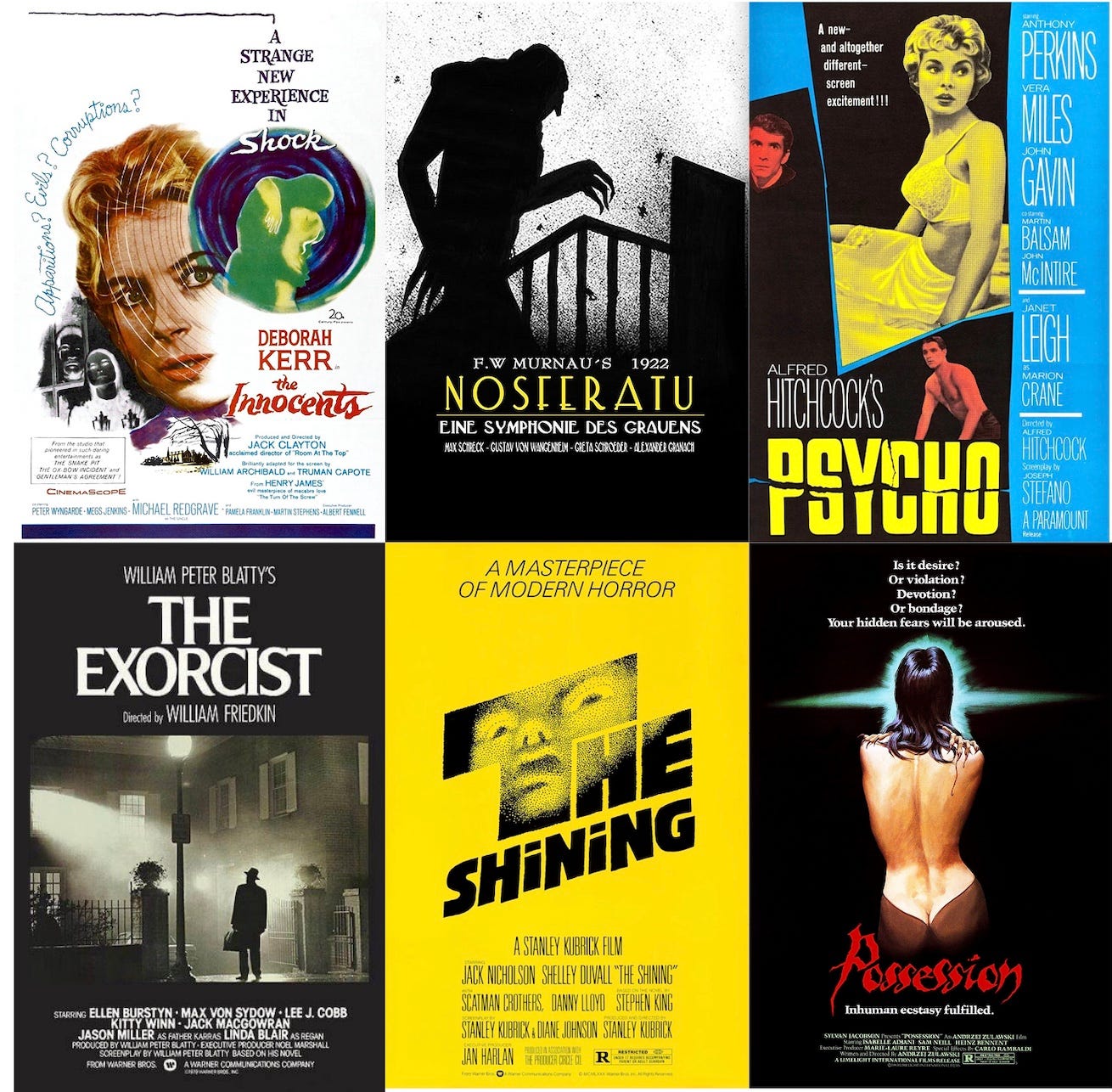
The Shining. The Innocents. The Exorcist. Nosferatu (1922). Psycho. Possession.
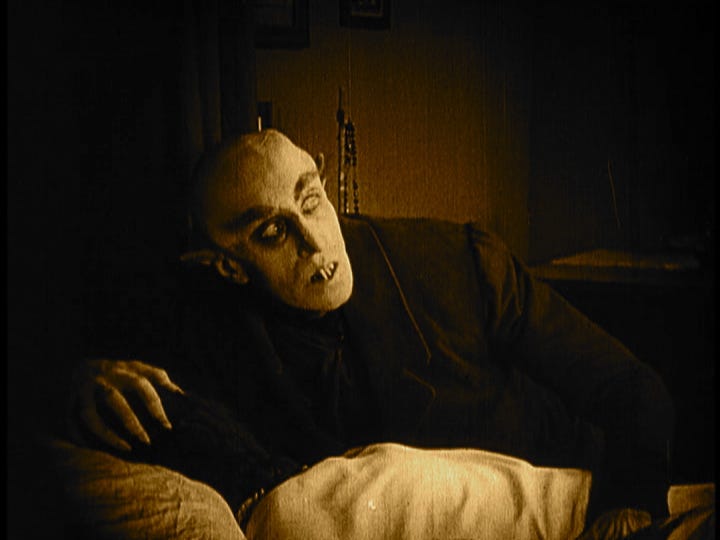
You watched Nosferatu (1922) when you were nine, so you’ve had a fascination with the character for a long time. Did one particular thing from that film kickstart your version?
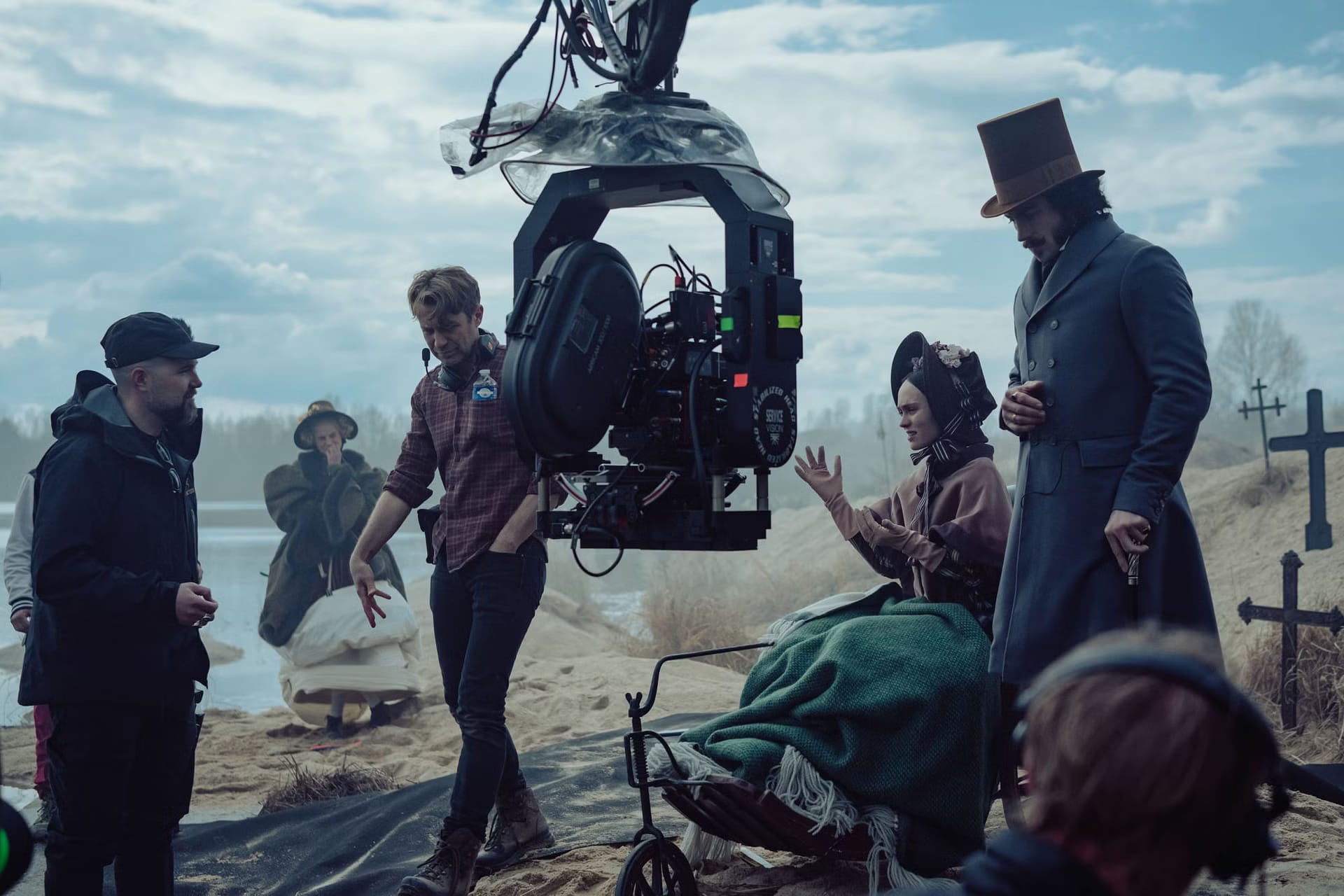
It’s a tremendous amount of work to write a film script adaptation. I began by looking at Henrik Galeen’s screenplay with [director FW] Murnau’s annotations. This is published in the Murnau biography by Lotte Eisner. I was really studying all the filmmakers’ original intentions and it is very much a piece steeped in German romanticism of the mid-19th century, not so much Expressionistic and not about the clash of the medieval with Victorian modernity, as with the [Bram] Stoker novel. It’s much more of a simple fairytale. In the original film, Ellen, the female protagonist, emerges as the central protagonist by the end of the film and I thought it would be much more interesting if she was the protagonist from the very beginning. Ellen in the Murnau film is a somnambulist and in the 19th century, people thought that sleepwalkers were tuned into another world, with the beyond, and this was a key into unlocking a much richer character. She’s an isolated woman who does not fit into 19th-century society, as much of a victim of that society as she is a victim of the vampire itself. She is very alone. No one can understand this dark side of her, this repressed side that people interpret as hysteria or melancholy, and the sole person who she does have a connection with is, tragically, a demon – a vampire – and so the film kind of becomes this demon-lover story, a love triangle about obsession and possession.
Making Nosferatu was a 10-year journey. What did you learn from it?
Working with rats, I learned they are incontinent. And when you are working with thousands of them – it’s quite a smell.
Why did you cast Lily-Rose Depp as Ellen and Bill Skarsgård as Count Orlok?
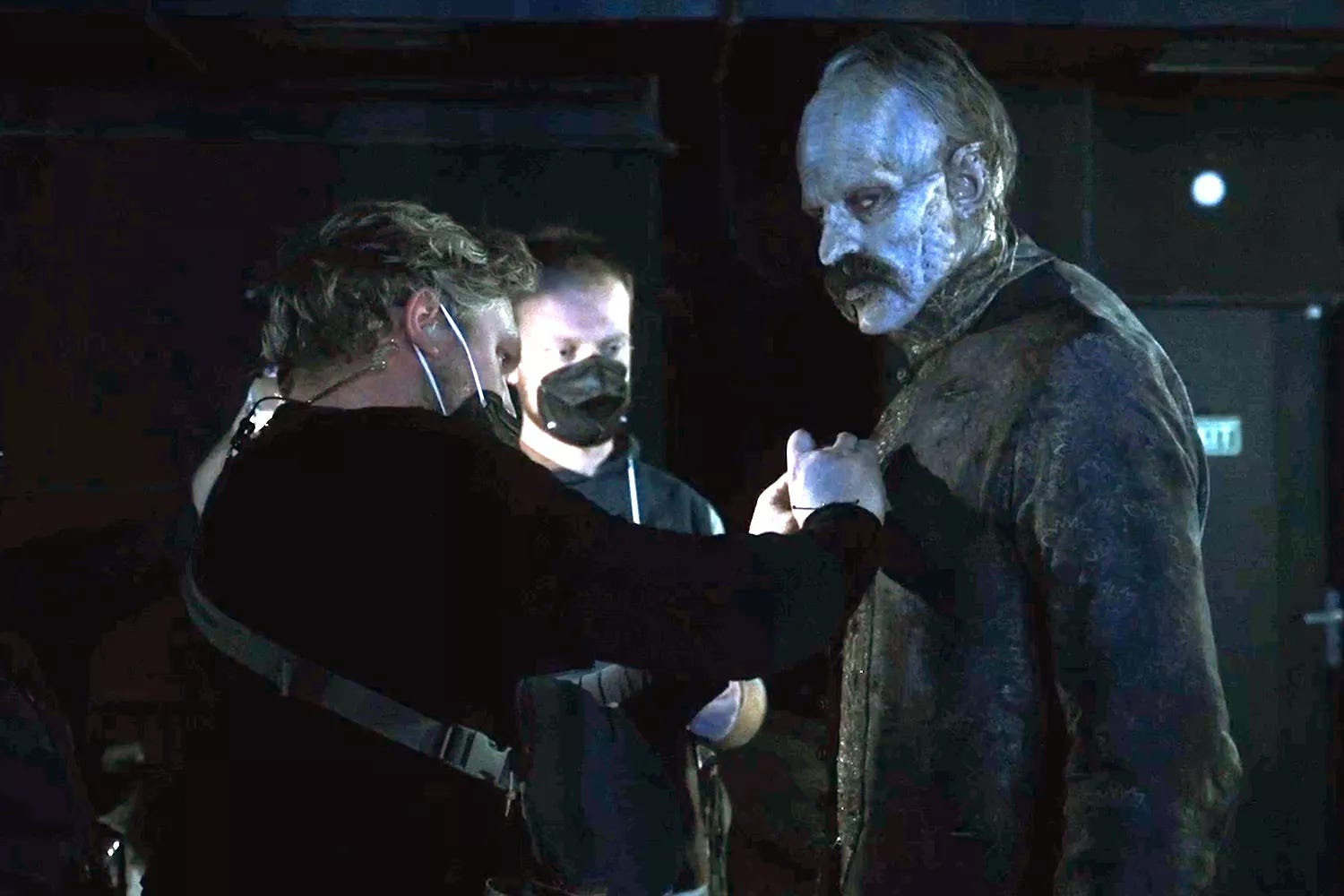
I met Bill years ago and I have wanted to work with him for some time. We just had a good connection and shared similar tastes in terms of storytelling in cinema. Originally, nine years ago or so, I expected that he would’ve played Hutter, the male romantic lead [played by Nicholas Hoult], but over the years, things changed. He was actually cast in The Northman as the spoiled young cousin of Alex’s character. There are camera tests with him dressed as a Viking with long hair and a beard and all the trappings. But because of the Covid shutdown, he had to leave the production, as schedules ultimately clashed when things were back up and running. When I saw It: Chapter 2 there is a scene where Bill plays Pennywise as a middle-aged man who’s not a clown and he had an incredible amount of weight to him that was very believable, and I thought, Bill is 6ft 4in tall and very slim and this shows me how formidable he can be. I wonder if he can do Orlok? We had a conversation and I said that I wanted him to play the role, but he had to audition and so we worked together on his audition and he sent me recordings of his voice and we built something together. And he did this performance: it was undeniable. It was fairly similar with Lily-Rose Depp. I had a meeting with her. She had seen every notable version of Dracula and some less notable ones too. She understood the character incredibly well and referenced many arthouse films that I would have suggested that she watch in preparation for the role. She had already seen them and saw how they were connected to the script. Similarly, I said she needed to audition, and she gave this raw, incredibly powerful performance in the audition that was once again, undeniable. In fact, myself, the casting director, even the videographer were in tears because of her performance.
Which films and performances are you enjoying this awards season?
It’s always hard to watch films when you’re promoting a film, so I haven’t seen as many films as I would like. But I very much admired Anora and The Substance.
Nosferatu is available to stream.
• Forthcoming from Robert Eggers •
Due to be released on Christmas Day 2026, Werwulf is a horror film set in 13th-century England, which Eggers will direct and has co-written with Sjón, the Icelandic poet who was his writing partner on The Northman. Following that, he has signed on to write and direct a sequel to the beloved 1986 Jim Henson fantasy film Labyrinth.